
Whether you’re a first-time gun owner or someone who’s been shooting for years, picking the right training ammunition can make a real difference in how you improve at the range. It’s not just about grabbing whatever’s cheapest on the shelf. The ammo you practice with affects your accuracy, your safety, and even how well you’ll perform when it counts. In this guide, we’ll walk you through everything you need to know to make a smart choice, no complicated jargon, just straight talk.
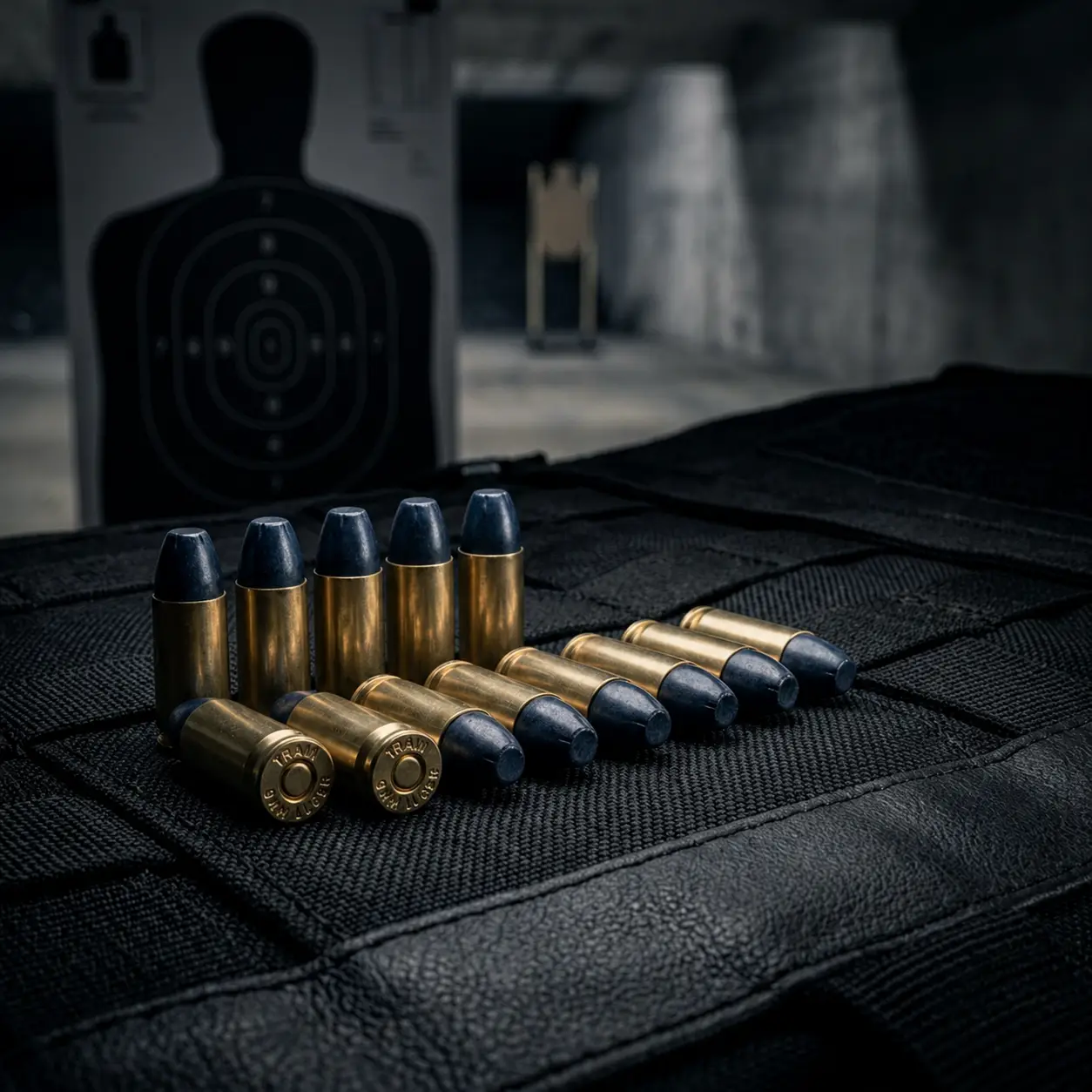
Training ammunition is exactly what it sounds like, ammo designed specifically for practice and skill-building, rather than for defensive or duty use. It’s made to be fired in high volumes, which means it’s generally more affordable than premium defensive rounds. But “practice ammo” doesn’t mean low-quality. The right training ammunition helps you build muscle memory, improve trigger control, and get comfortable with your firearm’s recoil and handling.
Here’s a fact worth knowing: most professional shooters and law enforcement officers fire thousands of rounds of training ammo for every one round of duty ammo they ever use in the field. That ratio alone tells you how important consistent, high-volume practice really is.
The key is matching your training ammunition to your goals. Are you a beginner trying to get comfortable with your first firearm? A competitive shooter working on speed and accuracy? Or a law enforcement officer running force-on-force drills? Each scenario calls for a different type of ammo, and understanding those differences is the first step.
Not all training ammo is the same, and knowing the different types will help you shop smarter. The most common type is Full Metal Jacket (FMJ) ammunition. FMJ rounds have a soft lead core covered by a harder metal shell, usually copper. They’re cheap, widely available, and produce consistent performance, which is why they’re the go-to choice for most range sessions. If you’re practicing fundamentals like stance, sight picture, and trigger pull, FMJ is your best friend.
Then there’s frangible ammo, which is made from compressed powdered metal that breaks apart on impact. This type of training ammunition is popular at indoor ranges and in close-quarters training environments because it reduces the risk of dangerous ricochets. It’s a bit more expensive than FMJ, but the added safety factor makes it worth it in confined shooting spaces.
For more specialized training, simunition fx marking cartridges have become widely used by military and law enforcement professionals. These are color-marking rounds that fit into modified firearms and leave a visible paint mark on the target, or on a person in a training scenario. Simunition fx marking cartridges allow trainers to run realistic, scenario-based drills without the risks of live fire. Think of it like paintball, but purpose-built for professional firearms training. If you’re involved in any kind of tactical or force-on-force training, these are worth looking into seriously.
Reduced recoil ammo is another option worth mentioning. It’s designed to produce less kick than standard rounds, which can be helpful for new shooters who are still getting used to handling recoil. However, keep in mind that if your defensive or duty ammo produces more recoil than what you train with, there could be a gap in your muscle memory. It’s something to balance carefully.
This one seems obvious, but it’s worth saying clearly: always use ammunition that is rated and chambered for your specific firearm. Using the wrong caliber can cause serious damage to your gun, and more importantly, to you. Your firearm’s owner manual and the markings on the barrel or slide will tell you exactly what calibers are safe to use.
Beyond caliber, you also want to think about how the ammo performs in your specific gun. Some semi-automatic pistols, for example, can be picky about bullet weight or casing material. Brass-cased ammo tends to feed more reliably in most semi-autos, while some guns handle steel-cased ammo just fine. The best way to find out is to test a smaller box before buying in bulk.
For rifle shooters, the difference between .223 Remington and 5.56 NATO is a classic example of where things can get tricky. The two look almost identical, but 5.56 NATO is loaded to higher pressure. Most modern AR-15s chambered in 5.56 can safely fire .223, but not always the other way around. When in doubt, check with the manufacturer.
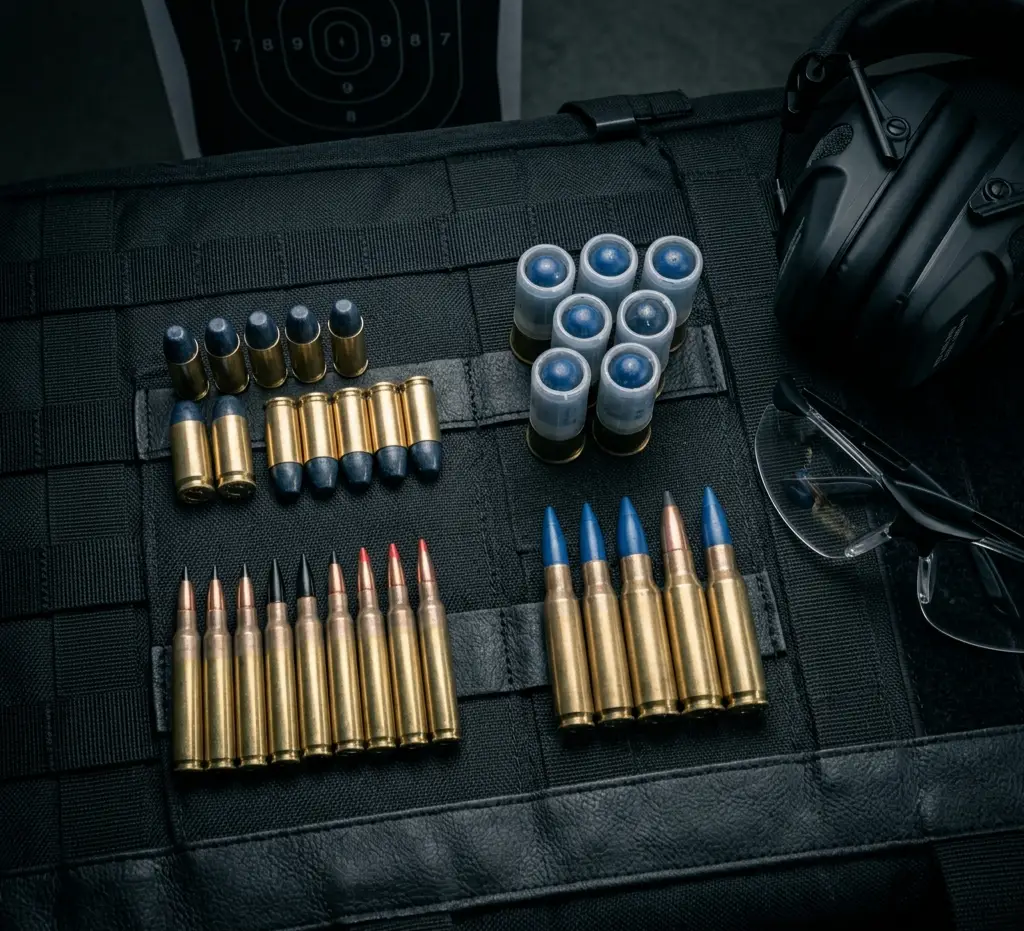
If you’re serious about taking your training to the next level, the FX Training System is one of the most effective tools available today. Developed by Simunition, the FX Training System is a complete force-on-force training platform that uses specially converted firearms and simunition fx marking cartridges to create realistic, interactive training scenarios.
The system is used heavily by law enforcement agencies, military units, and professional security firms because it bridges the gap between static target practice and real-world decision-making. When you’re being shot at, even with marking rounds, your body reacts with actual stress responses: elevated heart rate, tunnel vision, adrenaline. Learning to make good decisions under that kind of pressure is something you simply can’t replicate on a paper target range.
The FX Training System includes specially converted firearms that are incompatible with live ammunition, which is an important safety feature. You can’t accidentally fire live rounds during a scenario, and the system’s unique breach design ensures that only the correct simunition fx marking cartridges can be used. For anyone running organized training programs, this level of built-in safety is a major advantage.
If you’re using the FX Training System or any force-on-force training setup, simunition protective equipment is absolutely essential, not optional. Even though simunition fx marking cartridges are non-lethal, they can still cause serious injury to unprotected skin, and especially to the eyes, face, and neck.
Standard simunition protective equipment typically includes a full-coverage face mask or helmet with ballistic-rated lenses, a neck protector, groin protection, and heavy-duty gloves. Some training programs also require padded vests for torso protection. The gear is designed to let trainees feel the impact of a hit, which is part of the training value, without causing real harm.
A study published by law enforcement training organizations found that injury rates during force-on-force drills dropped significantly when full simunition protective equipment was enforced consistently. The lesson here is simple: the gear exists for a reason, and skipping it because it’s bulky or inconvenient is never worth the risk.
If you’re looking for quality simunition protective equipment for your training program, Lawmen Supply Co. carries a range of options suited for both individual shooters and organized training teams.
One of the most practical questions to ask when choosing training ammunition is: how much do I plan to shoot? If you’re heading to the range once a month and putting 100 rounds downrange, your needs are very different from a competitive shooter running 500+ rounds per week.
For high-volume practice, cost per round matters a lot. FMJ ammo in bulk is typically the most budget-friendly option, and buying in larger quantities (500 or 1,000 round cases) usually brings the price per round down meaningfully. As of recent market data, standard 9mm FMJ training ammo typically runs between $0.20 and $0.35 per round when bought in bulk, though prices vary with supply and demand.
Steel-cased ammo from manufacturers like Wolf or Tula is even cheaper, but some shooters report more frequent failures to feed or extract in certain firearms. It’s worth testing a box or two before committing to a bulk buy.
For those running Simunition-based training, simunition fx marking cartridges are priced at a premium compared to standard live-fire ammo, but that’s expected given the specialized nature of the system and the realistic training value it delivers. Think of the cost as an investment in scenario-based skill development that you simply can’t get any other way.
Yes, it does. Indoor ranges often have specific rules about the type of ammo you can use, and for good reason. Lead exposure is a real concern in enclosed spaces, which is why many indoor ranges require or recommend Total Metal Jacket (TMJ) ammo or lead-free frangible rounds instead of standard FMJ. TMJ rounds fully encase the lead core, which reduces the amount of lead vapor released upon firing.
Outdoor ranges are generally more flexible, but if you’re shooting at steel targets, frangible ammo is strongly recommended to reduce splashback. At longer distances on paper targets, standard FMJ training ammunition works just fine.
Always check the range rules before you go. Some ranges also prohibit steel-core or armor-piercing ammo, which isn’t typical training ammo anyway, but it’s good to be aware of.
Here’s something worth taking from the professionals: the goal of training ammunition isn’t just to make noise and punch holes in paper. It’s to replicate, as closely as possible, the performance of the ammunition you’d actually rely on in a real situation.
That means your training ammo should ideally have similar recoil, similar point of impact, and similar cycling behavior to your carry or duty ammo. If your self-defense round is a 147-grain 9mm hollow point, practicing primarily with 115-grain FMJ will give you slightly different recoil and potentially a different point of impact at certain distances. These differences are small, but for serious shooters, they matter.
Law enforcement trainers often use the FX Training System and simunition fx marking cartridges to run scenario drills before live-fire qualification, precisely because it builds decision-making skills alongside shooting skills. It’s a layered approach to training that civilian shooters can benefit from too, especially those who carry concealed.
Training ammunition is built for high-volume, cost-effective practice. It’s usually FMJ or frangible and designed to be fired repeatedly without excessive wear on your wallet or your gun. Defensive ammunition, on the other hand, uses expanding bullets like hollow points, which are engineered to perform a specific job in a real defensive situation. You wouldn’t want to practice with expensive defensive ammo every session, but you should fire enough of it to confirm that it cycles reliably in your firearm.
No. Simunition fx marking cartridges are designed to be used only in specially converted firearms that are part of the FX Training System. These conversions ensure that live ammunition cannot be chambered during training, which is a critical safety feature. Attempting to fire simunition rounds in a standard firearm is dangerous and not something that should ever be attempted.
Absolutely. Simunition fx marking cartridges are non-lethal, but they can still cause painful and potentially serious injuries to unprotected areas, especially the eyes and face. Proper simunition protective equipment, including a face mask, neck guard, and gloves, is required for any force-on-force training scenario. No training drill is worth a preventable injury.
It depends on how often you shoot. A casual shooter who goes to the range once or twice a month can get by with a few hundred rounds at a time. If you’re training seriously, say, two or more times a week, buying in bulk cases of 500 to 1,000 rounds makes more financial sense and ensures you’re not constantly running out. Just make sure you have proper, dry storage to keep your ammo in good condition.
For basic practice, most reputable brands produce consistent, reliable ammo. Brands like Federal, Blazer Brass, Winchester, and Fiocchi are popular choices for everyday range use. That said, you should always test a new brand or load in your specific firearm before committing to a large purchase. Some guns are particular about what they feed reliably, and discovering a feeding issue mid-session can cut your range day short.
Choosing the right training ammunition doesn’t have to be complicated. Start with your caliber, think about your training goals, consider where you’re shooting, and match your ammo to the kind of practice you’re actually doing. If you’re running structured scenario-based training, the FX Training System and simunition fx marking cartridges are worth every penny, just make sure simunition protective equipment is part of the package.
At Lawmen Supply Co., we stock a wide selection of training ammunition, Simunition products, and protective gear for shooters at every level. Whether you’re outfitting an individual for range day or equipping a full training team, we’ve got what you need to train smart and train safe.
Disclaimer: This article is intended for informational purposes only. Always follow your agency’s use-of-force policies and applicable local, state, and federal laws when deploying any law enforcement equipment.