
Law enforcement distributors are one of the most important and least talked about parts of modern policing. When you see an officer on patrol, you notice the badge, the uniform, maybe the patrol car. What you don’t see is the support system working behind the scenes to make sure that the officer has safe, reliable equipment. That support system often starts with the right distributor.
Most people think police departments simply “order gear.” In reality, it is much more complex. Departments need firearms, ammunition, protective vests, radios, optics, less-lethal tools, medical kits, and more. Managing all of that takes planning and coordination. That is where the distributors come in.
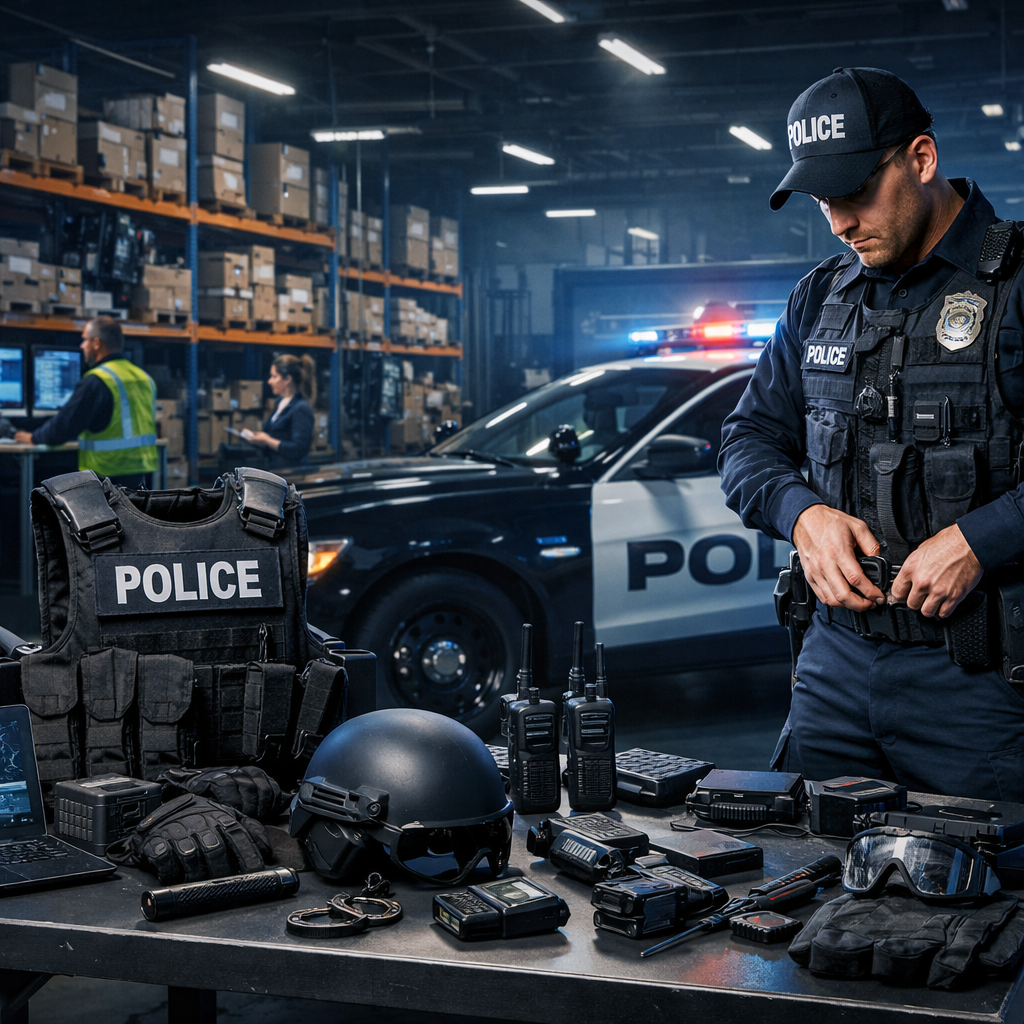
Manufacturers build equipment. Police departments use it. But someone has to connect the two in a practical, efficient way.
Law enforcement distributors serve as that bridge. Instead of a department dealing with ten different companies, tracking separate shipments, and managing multiple invoices, they can work with one trusted partner. This saves time and reduces confusion.
It also builds consistency. When agencies work with the same distributor over time, the distributor learns their needs, budget limits, and replacement cycles. That relationship makes future purchases smoother and faster.
The world of law enforcement supply is not simple. Many products must meet strict safety standards. Some items are highly regulated. Others need to be available quickly during emergencies.
Reliable law enforcement distributors help keep this system steady. They maintain inventory, coordinate with manufacturers, and prepare for changes in demand. If a department suddenly needs more training ammunition or replacement gear, a strong distributor can respond quickly.
Police work does not pause for shipping delays. A steady supply chain means officers can stay focused on their mission.
Firearms and ammunition require extra care. Laws and regulations must be followed carefully. Documentation must be accurate. Compliance is not optional.
That is why many distributors work closely with firearm wholesalers. These partnerships help ensure products are sourced correctly and transferred legally.
For police departments, this adds peace of mind. They know the equipment they receive meets required standards. When distributors and firearm wholesalers work together properly, agencies can trust the process from start to finish.
It is easy to picture distributors as warehouses filled with boxes. But modern law enforcement distributors do much more than ship equipment.
They often help agencies:
For example, if a department wants to upgrade patrol rifles or replace worn protective gear, the distributor can walk them through the options. They can explain differences in durability, performance, and cost in clear terms.
This kind of guidance helps departments avoid rushed decisions.
Not every agency has a large procurement team. Smaller departments may have just a few people handling purchasing along with many other duties.
In these cases, law enforcement distributors become even more important. They simplify the buying process and provide access to trusted brands. Because distributors buy in larger quantities, they can often offer competitive pricing that smaller agencies might struggle to get on their own.
Through strong law enforcement supply networks, even small departments can access reliable, professional-grade equipment.
Policing has changed a lot over the years. Today, agencies use body cameras, improved optics, digital systems, and advanced communication tools.
To keep up, the distributors must stay informed. They learn about new products and understand how those tools fit into real-world policing.
When departments are ready to update equipment, distributors can explain how new technology works and whether it fits the agency’s needs. This makes upgrades less stressful and more practical.
Demand can change quickly. Large events, emergencies, or expanded training programs can increase equipment needs almost overnight.
Prepared law enforcement distributors keep strong inventory levels to handle these situations. Having products stored locally or regionally means faster delivery times.
This preparation strengthens the overall law enforcement supply chain. Agencies are not left scrambling when they need equipment quickly.
Every piece of law enforcement equipment must meet specific standards. Protective gear must perform as rated. Ammunition must be reliable. Firearms must be transferred legally.
Experienced distributors understand these requirements. They help departments choose products that meet guidelines and avoid costly mistakes.
By coordinating with manufacturers and firearm wholesalers, distributors help reduce risk and support safe operations.
Trust is everything in public safety. Departments need partners who are honest, responsive, and knowledgeable.
Over time, law enforcement distributors become more than suppliers. They become trusted advisors. They learn when equipment typically needs replacement and can remind agencies before shortages happen.
When urgent needs arise, established relationships make communication faster and clearer. That reliability strengthens the entire law enforcement supply network.
Budgets are always a concern. Agencies must balance equipment upgrades with training and community needs.
Skilled distributors help departments plan ahead. They can suggest phased purchasing, compare cost-effective options, and offer trade-in programs.
This kind of support helps agencies spend wisely while still maintaining high safety standards.
Without dependable distributors, the supply chain would become harder to manage. Departments would spend more time juggling vendors and less time focusing on public safety.
Distributors connect manufacturers, firearm wholesalers, and agencies into one coordinated system. They keep equipment flowing, simplify compliance, and provide steady support.
Law enforcement distributors are a key part of modern policing, even if their work happens behind the scenes. They connect the people who make equipment with the officers who rely on it every day. Through strong law enforcement supply partnerships and coordination with firearm wholesalers, they help departments stay prepared, compliant, and ready to serve their communities.
When the system works smoothly, officers can focus on protecting the public, and that is exactly what dependable distributors help make possible.

It is easy to picture distributors as warehouses filled with boxes. But modern law enforcement distributors do much more than ship equipment.
They often help agencies:
For example, if a department wants to upgrade patrol rifles or replace worn protective gear, the distributor can walk them through the options. They can explain differences in durability, performance, and cost in clear terms.
This kind of guidance helps departments avoid rushed decisions.
Not every agency has a large procurement team. Smaller departments may have just a few people handling purchasing along with many other duties.
In these cases, law enforcement distributors become even more important. They simplify the buying process and provide access to trusted brands. Because distributors buy in larger quantities, they can often offer competitive pricing that smaller agencies might struggle to get on their own.
Through strong law enforcement supply networks, even small departments can access reliable, professional-grade equipment.
Policing has changed a lot over the years. Today, agencies use body cameras, improved optics, digital systems, and advanced communication tools.
To keep up, the distributors must stay informed. They learn about new products and understand how those tools fit into real-world policing.
When departments are ready to update equipment, distributors can explain how new technology works and whether it fits the agency’s needs. This makes upgrades less stressful and more practical.
Demand can change quickly. Large events, emergencies, or expanded training programs can increase equipment needs almost overnight.
Prepared law enforcement distributors keep strong inventory levels to handle these situations. Having products stored locally or regionally means faster delivery times.
This preparation strengthens the overall law enforcement supply chain. Agencies are not left scrambling when they need equipment quickly.
Every piece of law enforcement equipment must meet specific standards. Protective gear must perform as rated. Ammunition must be reliable. Firearms must be transferred legally.
Experienced distributors understand these requirements. They help departments choose products that meet guidelines and avoid costly mistakes.
By coordinating with manufacturers and firearm wholesalers, distributors help reduce risk and support safe operations.
Trust is everything in public safety. Departments need partners who are honest, responsive, and knowledgeable.
Over time, law enforcement distributors become more than suppliers. They become trusted advisors. They learn when equipment typically needs replacement and can remind agencies before shortages happen.
When urgent needs arise, established relationships make communication faster and clearer. That reliability strengthens the entire law enforcement supply network.
Budgets are always a concern. Agencies must balance equipment upgrades with training and community needs.
Skilled distributors help departments plan ahead. They can suggest phased purchasing, compare cost-effective options, and offer trade-in programs.
This kind of support helps agencies spend wisely while still maintaining high safety standards.
Without dependable distributors, the supply chain would become harder to manage. Departments would spend more time juggling vendors and less time focusing on public safety.
Distributors connect manufacturers, firearm wholesalers, and agencies into one coordinated system. They keep equipment flowing, simplify compliance, and provide steady support.
Law enforcement distributors are a key part of modern policing, even if their work happens behind the scenes. They connect the people who make equipment with the officers who rely on it every day. Through strong law enforcement supply partnerships and coordination with firearm wholesalers, they help departments stay prepared, compliant, and ready to serve their communities.
When the system works smoothly, officers can focus on protecting the public, and that is exactly what dependable distributors help make possible.
The law enforcement supply chain includes a lot of different products, and many of them have to meet strict safety and legal rules. That’s where distributors step in. They keep track of what’s in stock, stay in touch with manufacturers, and make sure equipment is ready when departments need it. Because of that, officers aren’t left waiting around for important gear.
Yes. Many law enforcement distributors work closely with firearm wholesalers to ensure firearms and ammunition are sourced legally and responsibly. These partnerships help departments stay compliant with regulations while receiving approved, high-quality equipment.
Some larger agencies might buy straight from manufacturers, but many departments choose to work with distributors because it just makes things easier. Instead of dealing with several companies, they can go to one place. Distributors give access to different brands, handle the paperwork, send quotes quickly, and often keep items in stock so orders can ship faster.
Lawmen Supply Company has been working with police departments for many years, so they understand what agencies really need. They keep common items in stock, respond quickly with quotes, and help departments figure out what makes the most sense for their budget.
They also work closely with manufacturers and firearm wholesalers to make sure law enforcement supply products are reliable and delivered on time.
Shipping times can vary depending on the product and availability. Trusted law enforcement distributors usually keep common law enforcement supply items in stock so they can ship quickly. For in-stock items, orders often go out within a short time after they are placed. If something needs to come from a manufacturer or firearm wholesaler, it may take a little longer.
The best way to know for sure is to ask for a quick quote and delivery estimate. Reliable distributors will give clear answers so departments know what to expect.