
If you’ve ever run a force-on-force training drill, you already know how intense things can get. Simunition training is one of the most realistic ways to prepare law enforcement officers, military personnel, and professional trainers for real-world scenarios. But with that realism comes real risk, and that’s exactly why having the right simunition protective equipment isn’t optional. It’s a must.
This guide breaks down the top 10 safety gear essentials you should have before stepping into any simunition training environment. Whether you’re a seasoned instructor or someone just getting started, this list will help you train hard without ending up with a preventable injury.
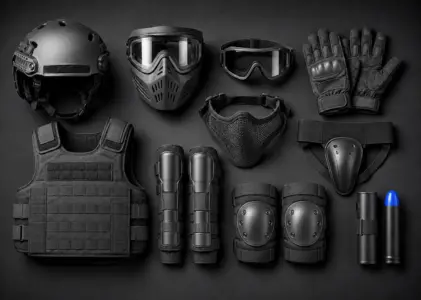
Simunition rounds are low-velocity, but don’t let that fool you. They can still cause serious injuries, especially to exposed skin, eyes, and ears, when used at close range. According to training safety reports from multiple law enforcement agencies, the majority of simunition-related injuries happen because participants weren’t wearing proper protective gear or were using damaged equipment.
The goal of simunition training is to make practice feel as close to the real thing as possible. That means stress, movement, close-quarters engagement, and live-fire-like reactions. Without the right simunition protective equipment, that realism quickly becomes a liability. The gear exists for a reason, and smart trainers respect it.
Before we get into the protective gear itself, it’s worth mentioning that safe simunition training also depends on using the right firearm setup. A Simunition conversion kit is what allows a real firearm to fire Simunition’s FX marking cartridges instead of live rounds. For rifles and carbines, a carbine conversion kit does the same job; it modifies the bolt carrier group or barrel to cycle training ammunition properly.
Using a properly installed Simunition conversion kit means the weapon won’t cycle live rounds, which is a key safety layer in any training environment. Always verify that conversion kits are correctly installed and inspected before every session. Now, let’s get into gear.
The face is the most vulnerable target in any force-on-force drill, and it needs to be the first thing you protect. A proper simunition face mask should cover the entire face, including the forehead, cheeks, chin, and ears. Ballistic-rated face shields with foam padding around the perimeter offer the best combination of protection and visibility.
Look for masks that are specifically rated for FX or simunition rounds. Standard paintball or airsoft masks are not enough. Several agencies and training organizations, including those that follow FLETC (Federal Law Enforcement Training Centers) guidelines, require dedicated simunition-rated face protection as a baseline standard.
A face mask alone doesn’t cover everything. The sides of your head, the back of your skull, and your neck are all exposed during dynamic movement. A padded helmet or head cover that wraps around the full skull is an important part of any complete simunition protective equipment setup.
Some trainers use a combination of a padded balaclava underneath a hard outer shell. This layered approach absorbs impact and prevents the sting that comes from a round catching the back of the neck or the ear, something that happens more often than people expect during scenario training.
The throat is a soft target that a lot of trainers overlook. During close-quarters drills, rounds can easily travel upward and strike the neck area, especially when a participant ducks or turns quickly. A padded throat guard or collar protector is an inexpensive piece of simunition protective equipment that offers significant protection for a commonly neglected zone.
This one speaks for itself. A groin protector is non-negotiable in any live training exercise, and simunition training is no exception. Cup inserts or protective shorts with built-in padding are standard issue in most professional training programs. A round to the groin from close range is not just painful; it can sideline a trainee for days.
Your hands are almost always moving in a force-on-force drill, drawing, reloading, pushing, and grabbing. That makes them prime targets. Heavy-duty training gloves that cover the knuckles and wrists are a core piece of simunition protective equipment. Some trainers prefer paintball-style gloves with reinforced fingers, while others use hard-shell tactical gloves designed for direct-action training.
Bare hands during simunition training is one of the fastest ways to get sent home early. A round to the knuckle or wrist at close range leaves a mark that lasts well beyond the training day.
You don’t need full plate carriers for simunition training, but you do need some form of torso protection. Padded training vests or foam-insert chest protectors are designed to absorb the impact of FX rounds without restricting movement. This kind of simunition protective equipment is especially important for trainers who run multiple evolutions in a single day, since repeated hits to the chest and back add up fast.
Some vests are also designed to integrate with your duty gear or tactical kit, so you can train in a setup that closely mirrors what you’d wear on the job.
Even if your face mask includes a ballistic lens, having a secondary layer of eye protection is a smart practice. If the face mask gets knocked loose or partially displaced during a struggle, which happens, backup ballistic glasses or goggles keep your eyes covered. Eye injuries are among the most serious risks in any training environment, and they’re almost entirely preventable with the right simunition protective equipment.
Lower body injuries during force-on-force training are more common than most people realize. Falling, kneeling on hard surfaces, and contact during dynamic entries can all lead to knee and shin injuries. Padded knee and shin guards, similar to those used in tactical sports or military combatives, are a practical addition to any trainer’s gear bag.
They don’t have to be bulky. Low-profile options allow full mobility while still absorbing the kind of incidental impact that comes with realistic scenario training.
FX training ammunition doesn’t generate the same noise level as live rounds, but firing in enclosed spaces, hallways, rooms, and vehicles still produces enough concussive sound to cause discomfort and potential hearing fatigue over extended training sessions. Foam ear inserts or low-profile electronic ear muffs that allow you to hear commands while dampening peak noise are a practical addition to your simunition protective equipment kit.
This last one isn’t personal protective equipment in the traditional sense, but it belongs on every trainer’s gear list. Color-coded barrel indicators and simunition conversion kit safety markers help everyone on the range quickly confirm which weapons are loaded with training ammunition and which ones have been cleared. Visual confirmation tools reduce human error and add a procedural safety layer that complements all the physical gear on this list.
Many range safety officers require these markers as standard operating procedure, and for good reason. A quick visual sweep of the training area is much faster and more reliable when every weapon running a carbine conversion kit is clearly marked.
Simunition training is one of the best tools available for building real-world decision-making skills in law enforcement and military settings. But it only works safely when every participant is wearing the right Simunition protective equipment from head to toe. The gear listed above covers all the major vulnerability zones: face, head, neck, torso, hands, knees, ears, and when used together, they create a training environment where people can push hard without unnecessary risk.
At Lawmen Supply Co., we understand what trainers and officers need because we work with the same community you do. Whether you’re outfitting a single trainee or an entire unit, having quality, purpose-built simunition protective equipment on hand is the foundation of every productive training day.
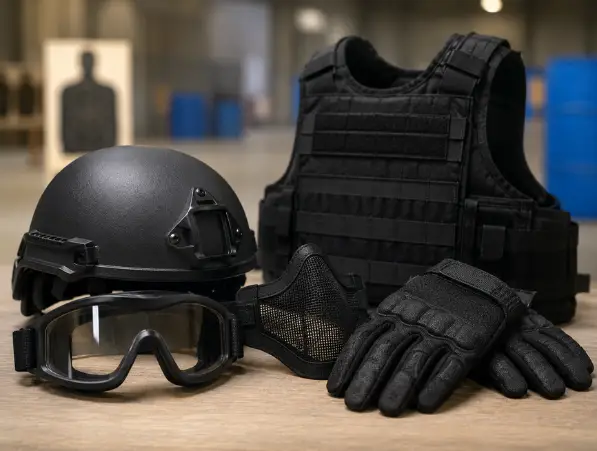
Simunition protective equipment refers to the specialized safety gear worn during force-on-force training exercises that use Simunition’s FX marking cartridges or similar training ammunition. It includes face masks, body protection, gloves, and other gear designed to prevent injuries from low-velocity rounds. Anyone participating in simunition training, law enforcement officers, military personnel, security professionals, and civilian firearms trainers need to wear proper protective equipment every single time.
No. Standard paintball or airsoft gear is not rated for simunition rounds and should never be used as a substitute. FX training ammunition operates at different velocities and impact characteristics than paintball rounds, and using unrated protective gear puts you at serious risk. Always use equipment that is specifically approved and rated for simunition or FX training cartridges.
A simunition conversion kit is a device that modifies a real firearm so it can fire training ammunition instead of live rounds. It physically prevents the weapon from chambering live cartridges during a training session. For rifle platforms, a carbine conversion kit performs the same function. Using a properly installed conversion kit is a fundamental safety requirement for any legitimate simunition training program; it’s not optional.
Protective gear should be inspected before every training session. Look for cracks in face shields, worn padding, torn gloves, or any damage that compromises the gear’s ability to absorb impact. Most manufacturers recommend replacing face shields and helmets every 2 to 3 years, depending on usage, or immediately after any significant impact. Damaged simunition protective equipment should be removed from service right away, no exceptions.
Lawmen Supply Co. carries a curated selection of simunition protective equipment, simunition conversion kits, carbine conversion kits, and training ammunition accessories built for professional use. Our inventory is sourced with law enforcement and military trainers in mind, so you can trust that what you’re buying meets the standards your training demands. Browse our full selection at lawmensupplyco.com.